Antioxidant peptides
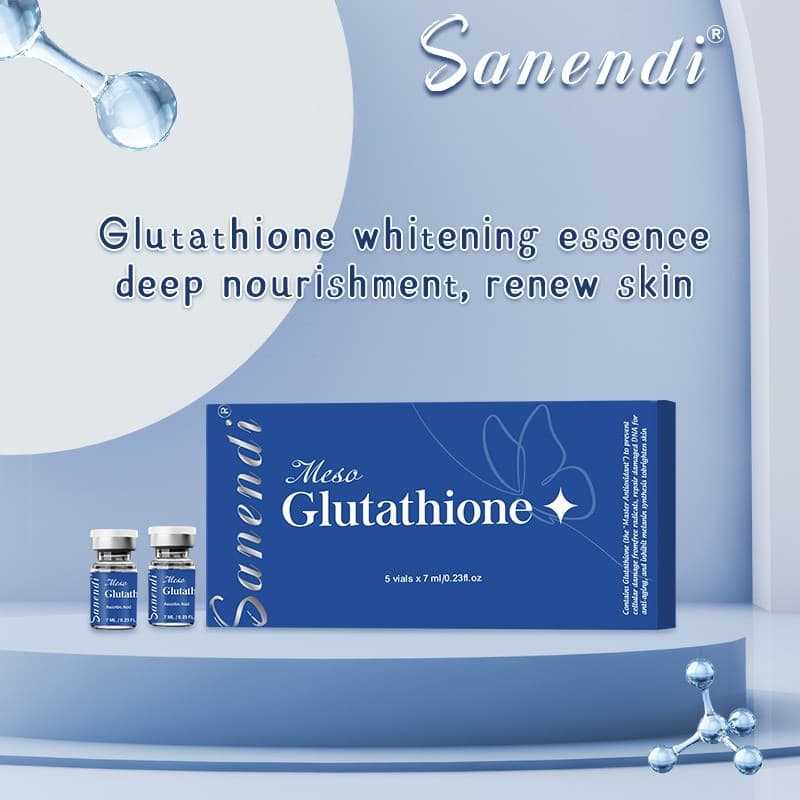
Antioxidant peptides and related laboratory compounds are studied in controlled environments investigating oxidative stress response, molecular defence pathways, and cellular protection mechanisms. Within scientific research settings, these compound categories are often reviewed in programmes focused on biochemical interaction, compatibility, and structured observation of antioxidant-related behaviour across controlled laboratory models.
Research laboratories frequently analyse antioxidant compounds such as glutathione and vitamin C blends when examining biochemical stability, molecular signalling behaviour, and antioxidant activity under experimental conditions. This type of work commonly overlaps with broader research peptides investigation, where antioxidant-focused compounds may be considered alongside hydration, firming, and regenerative lines.
In laboratory use, antioxidant-focused compounds may be assessed for their behaviour in solution, their interaction with surrounding systems, and their fit within structured compatibility studies. This makes the category relevant to researchers investigating oxidative stress pathways, protective molecular behaviour, and the role of antioxidant compounds in wider peptide-based laboratory research.
Antioxidant compound research
Antioxidant research compounds are commonly studied in laboratory environments examining oxidative stress mechanisms, molecular defence systems, and biochemical interaction within controlled experimental conditions. These investigations may include monitoring how compounds behave under test conditions, how they interact with broader systems, and how they fit within antioxidant-related research frameworks.
Compounds such as glutathione peptides and vitamin C blends may be analysed during formulation development, compatibility testing, and antioxidant response research workflows. In many settings, this work is connected to neighbouring categories such as hydration peptides and regenerative peptides, especially where researchers are comparing compound behaviour across different lines.
Antioxidant-focused peptide research can also involve reviewing compatibility, carrier support, stability in solution, and the performance of compounds within controlled biochemical models. These studies are useful where laboratories need to understand how antioxidant compounds behave over time, under varying test conditions, or within wider peptide-system investigations.
Laboratory research applications of antioxidant peptides
Laboratory research applications involving antioxidant peptides may include oxidative stress pathway studies, controlled observation of molecular defence behaviour, and compatibility analysis across wider peptide systems. In these scientific settings, researchers are often interested in how antioxidant compounds behave under controlled conditions and how they fit within broader formulation and laboratory workflows.
A common area of investigation involves compounds such as Meso Glutathione and Meso Vitamin C, where laboratories may examine antioxidant-related behaviour, response within controlled environments, and fit within compatibility-focused studies. This work may also be considered alongside wider laboratory peptide compounds research to compare how antioxidant lines perform relative to other categories.
In many scientific workflows, antioxidant compounds are not treated in isolation. Researchers may compare them against hydration-focused, structural, or regeneration-related blends to understand how they differ across biochemical modelling, support-system interaction, and controlled laboratory investigation. This type of comparative work helps strengthen research quality and improves understanding of compound behaviour.
Compatibility, stability, and oxidative stress studies
Compatibility studies are central to antioxidant-related research. Laboratories may examine how an antioxidant-focused compound behaves under different formulation conditions, how stable it remains during observation, and how it interacts with surrounding support systems. This type of research may include oxidative stress modelling, molecular response comparison, and review of solution behaviour under controlled test settings.
Stability work can also overlap with broader antioxidant-related research topics explored through glutathione research peptide and peptide products. Linking into these related pages helps users move through connected topic areas and compare related antioxidant product categories more easily.
In practical laboratory terms, antioxidant research may involve observing how compounds perform over time, whether they remain stable across controlled environments, and how their behaviour compares with related peptide lines. These are all important considerations in research-only environments focused on scientific investigation rather than human use.
Antioxidant research products
Explore antioxidant-focused laboratory compounds currently available within this category.
Glutathione-based research compound studied in laboratory environments analysing antioxidant response and oxidative stress pathways.
Vitamin C research compound examined in laboratory environments investigating antioxidant behaviour and molecular compatibility.
Related research peptide categories
Antioxidant peptides form part of a broader peptide research structure that includes hydration, firming, and regenerative compound lines. For researchers comparing oxidative stress response, compatibility behaviour, or laboratory performance across multiple compound types, it is often useful to move between related categories rather than viewing antioxidant lines alone. That is why this page also connects naturally to hydration peptides, firming peptides, and regenerative peptides.
This type of internal topic structure helps users find relevant laboratory research areas quickly while also supporting stronger the wider peptide and laboratory compound catalogue. It reinforces that antioxidant compounds are part of a wider scientific catalogue including detailed product pages, category hubs, and broader informational guides focused on controlled investigation and research use.
Learn more about glutathione research compounds and antioxidant peptide investigation.
Explore the broader peptide compound categories including antioxidant, hydration, firming, and regenerative product lines.
UK-focused overview of peptide compounds supplied for laboratory and scientific study.
Explore hydration-focused compounds including hyaluronic acid-based laboratory research lines.
Review structure and elasticity-focused peptide compounds used in compatibility and formulation studies.
Browse regeneration-focused lines including collagen and PDRN laboratory research compounds.
Research use only and laboratory context
All antioxidant peptide compounds listed on this site are supplied strictly for laboratory and scientific research use only. They are not intended for human consumption, medical use, or personal application. This research-only positioning is central to the category and supports clear scientific context across the wider research peptides UK section of the site.
Maintaining this laboratory context is important for both users and search structure. Product pages, guides, and category content are designed to support scientific review, controlled investigation, and research navigation rather than general consumer use. This keeps the catalogue focused on helps keep all content aligned with laboratory study and scientific investigation.
Common questions about antioxidant peptides
What are antioxidant peptides?
Antioxidant peptides and related compounds are studied in laboratory environments investigating oxidative stress response, molecular defence behaviour, and cellular protection pathways.
Which antioxidant compounds are included in this category?
This category includes antioxidant-focused compounds such as glutathione-based products and vitamin C research blends.
Are antioxidant peptides intended for human use?
No. All products listed on this site are supplied strictly for laboratory and scientific research use only.